
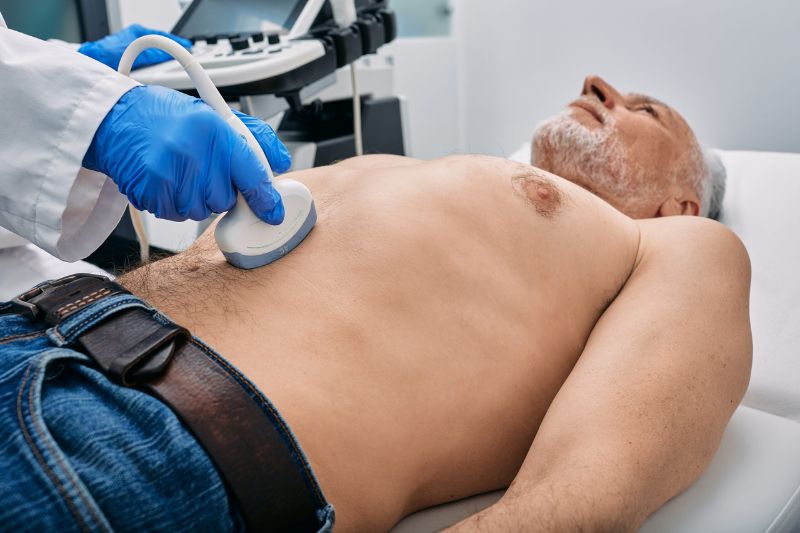
Doctors recommend abdominal ultrasound to evaluate pain, swelling, or suspected internal disease.
Common Reasons
- Abdominal pain or discomfort
- Suspected liver disease
- Kidney stones or urinary issues
- Gallbladder stones
- Digestive problems
- Unexplained weight loss
- Fever with abdominal symptoms
- Injury or trauma to abdomen
Ultrasound Abdomen helps evaluate multiple organs at once.
Liver
Detects fatty liver, enlargement, tumors, and inflammation.
Gallbladder
Identifies gallstones, infection, or blockage.
Kidneys
Checks for stones, cysts, infections, and swelling.
Pancreas
Evaluates inflammation or structural abnormalities.
Spleen
Detects enlargement or injury.
Urinary Bladder
Assesses infection, stones, or retention of urine.
Doctors may suggest this test if patients experience:
Common Symptoms
Persistent Abdominal Pain
Pain that does not improve may indicate organ problems.
Bloating or Swelling
Abdominal distension may suggest fluid or organ enlargement.
Jaundice
Yellowing of skin and eyes may indicate liver or bile duct issues.
Nausea and Vomiting
Digestive disorders often cause these symptoms.
Blood in Urine or Stool
May indicate kidney or intestinal problems.
Loss of Appetite
Often associated with liver or digestive disease.
This test is recommended for a wide range of patients.
High-Risk Groups
- Patients with liver disease
- Individuals with kidney stones
- People with gallbladder issues
- Patients with chronic abdominal pain
- Diabetic or hypertensive patients
- Individuals with abnormal blood tests
- Patients with unexplained weight loss
Ultrasound Abdomen offers multiple diagnostic advantages.
Non-Invasive and Painless
No needles, cuts, or discomfort involved.
No Radiation Exposure
Safe for children, adults, and pregnant women.
Quick Procedure
Usually completed within 15–30 minutes.
Real-Time Imaging
Provides immediate view of internal organs.
Accurate Diagnosis
Helps detect stones, infections, tumors, and inflammation.
Cost-Effective
More affordable compared to advanced imaging tests.
Proper preparation improves image clarity.
Fasting Instructions
Patients are usually advised not to eat for 6–8 hours before the test.
Full Bladder Requirement
For pelvic evaluation, patients may be asked to drink water and avoid urination.
Clothing
Wear loose and comfortable clothing.
Medication
Continue regular medicines unless advised otherwise by the doctor.