
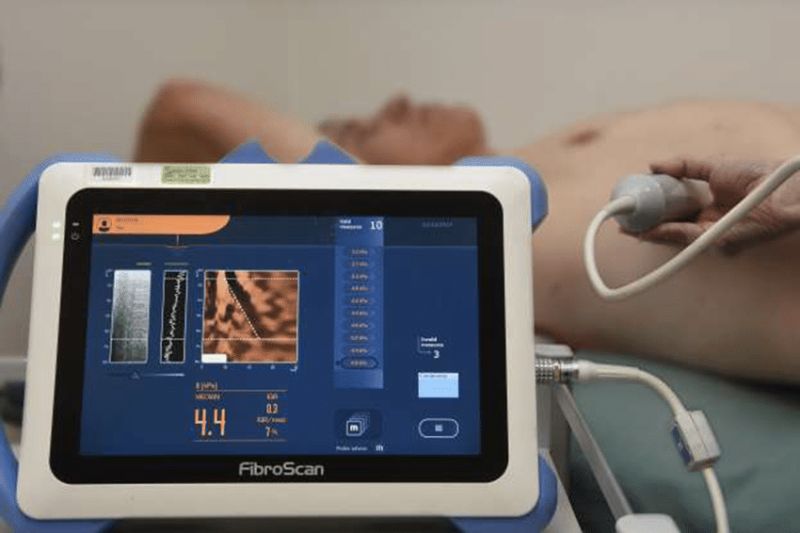
A FibroScan test is a specialized ultrasound-based procedure that measures liver stiffness and fat accumulation. The machine uses harmless sound waves to examine liver tissue safely and comfortably.
Unlike traditional liver biopsy, FibroScan does not involve needles, cuts, pain, or hospitalization. The procedure takes only a few minutes and provides immediate results.
Doctors commonly recommend FibroScan for evaluating:
- Fatty liver disease
- Liver fibrosis
- Liver cirrhosis
- Hepatitis infections
- Alcohol-related liver disease
- Non-alcoholic fatty liver disease (NAFLD)
- Chronic liver disorders
Liver diseases often progress silently for years. Patients may not notice symptoms until liver damage becomes severe. FibroScan helps doctors detect liver scarring and fatty changes early.
Early diagnosis offers several advantages:
- Prevents progression of liver disease
- Helps start treatment early
- Reduces risk of liver failure
- Monitors treatment effectiveness
- Avoids unnecessary liver biopsy
- Improves long-term liver health
FibroScan uses vibration-controlled transient elastography technology. During the test, a small probe sends painless sound waves into the liver tissue.
The machine measures:
Liver Stiffness
Increased stiffness may indicate fibrosis or cirrhosis.
Fat Accumulation
The test can identify excess fat stored inside liver cells.
Doctors use these measurements to evaluate liver damage severity accurately.
Doctors may recommend a FibroScan test if patients experience symptoms related to liver dysfunction.
Common Liver Disease Symptoms
Persistent Fatigue
Chronic tiredness and weakness may indicate liver problems.
Abdominal Pain
Pain or discomfort in the upper right abdomen can occur due to liver inflammation.
Unexplained Weight Loss
Sudden weight loss sometimes develops because of chronic liver disease.
Loss of Appetite
Reduced hunger and nausea may indicate liver dysfunction.
Yellowing of Skin and Eyes
Jaundice is a common sign of advanced liver disease.
Swelling in Legs or Abdomen
Fluid retention may occur when liver function declines.
Dark Urine
Dark-colored urine may indicate liver-related issues.
Itchy Skin
Persistent itching can occur because of bile salt accumulation.
FibroScan is beneficial for individuals at risk of liver disease.
People Who May Need FibroScan
- Patients with fatty liver disease
- Individuals with hepatitis B or hepatitis C
- People who consume alcohol regularly
- Patients with obesity
- Individuals with diabetes
- People with high cholesterol
- Patients with abnormal liver function tests
- Individuals with family history of liver disease
- Patients with metabolic syndrome
FibroScan provides several advantages compared to traditional liver biopsy.
Non-Invasive Procedure
The test does not require surgery, cuts, or needles.
Painless and Comfortable
Patients experience minimal discomfort during the procedure.
Quick Results
The test usually takes 10 to 15 minutes and provides immediate results.
Safe Procedure
FibroScan uses harmless ultrasound waves without radiation exposure.
No Hospital Admission
Patients can return home immediately after the test.
Accurate Liver Assessment
The procedure measures liver stiffness and fat accumulation effectively.
Helps Monitor Liver Health
Doctors use FibroScan regularly to track disease progression and treatment response.
FibroScan
- Non-surgical
- Painless
- Quick procedure
- No hospitalization
- Immediate results
- Minimal risk
Liver Biopsy
- Invasive procedure
- Needle insertion required
- Longer recovery time
- Risk of bleeding
- More discomfort
Doctors often prefer FibroScan for routine liver monitoring because it is safer and more convenient.
Healthy habits can reduce liver disease risk significantly.
Eat a Healthy Diet
Consume fruits, vegetables, lean proteins, and fiber-rich foods regularly.
Avoid Excess Alcohol
Alcohol damages liver cells and increases fibrosis risk.
Maintain Healthy Weight
Obesity increases fatty liver disease risk.
Exercise Regularly
Physical activity improves metabolism and liver function.
Control Diabetes and Cholesterol
Proper management reduces liver complications.
Avoid Smoking
Smoking may worsen liver inflammation and damage.
Drink Enough Water
Adequate hydration supports overall liver function.
Avoid Self-Medication
Excess medicines and supplements can harm the liver.