
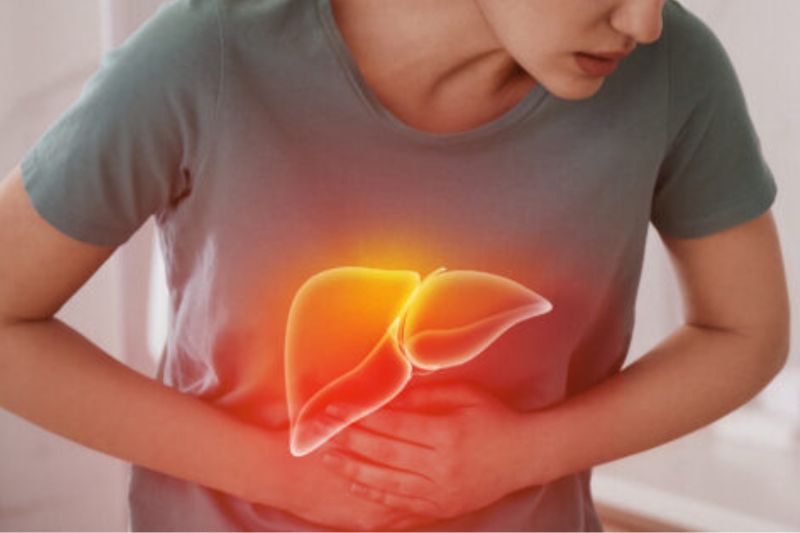
Fatty Liver Disease develops when excessive fat accumulates inside the liver. Normally, the liver contains a small amount of fat, but excess fat can interfere with normal liver function and cause inflammation.
Fatty liver disease mainly occurs in two forms:
Non-Alcoholic Fatty Liver Disease (NAFLD)
This condition develops in people who consume little or no alcohol. Obesity, diabetes, and unhealthy eating habits commonly cause NAFLD.
Alcoholic Fatty Liver Disease
Excessive alcohol intake damages liver cells and leads to fat accumulation in the liver.
If left untreated, fatty liver disease may progress into liver fibrosis, cirrhosis, or liver cancer.
Hepatitis is a condition that causes liver inflammation. Viral infections are the most common cause of hepatitis, although alcohol abuse, autoimmune diseases, and certain medications can also damage the liver.
Different types of hepatitis affect the liver differently.
Types of Hepatitis
Hepatitis A
Usually spreads through contaminated food or water and often resolves without long-term damage.
Hepatitis B
A viral infection that spreads through blood, body fluids, or from mother to baby during childbirth.
Hepatitis C
Spreads mainly through infected blood and can lead to chronic liver disease.
Hepatitis D
Occurs only in individuals already infected with hepatitis B.
Hepatitis E
Typically spreads through contaminated drinking water.
Several factors contribute to fatty liver development.
Obesity
Excess body weight increases fat storage in the liver.
Unhealthy Diet
High intake of oily, sugary, and processed foods affects liver health negatively.
Diabetes
Poor blood sugar control increases fatty liver risk significantly.
High Cholesterol
Elevated cholesterol and triglyceride levels contribute to fat buildup.
Alcohol Consumption
Excess alcohol damages liver cells and promotes inflammation.
Lack of Exercise
Physical inactivity slows metabolism and increases fat accumulation.
Different factors can trigger hepatitis.
Viral Infections
Hepatitis viruses attack liver tissue directly.
Unsafe Blood Exposure
Contaminated needles or blood transfusions may spread hepatitis infections.
Excess Alcohol
Heavy alcohol use inflames and damages liver cells.
Autoimmune Disorders
Sometimes the immune system mistakenly attacks the liver.
Certain Medications
Long-term use of some medicines may affect liver function.
Many people with fatty liver experience no symptoms in the early stages. However, symptoms may appear as liver damage progresses.
Common Symptoms
Fatigue
Persistent tiredness and weakness are common signs.
Upper Right Abdominal Pain
Discomfort near the liver area may occur.
Unexplained Weight Loss
Advanced liver disease may affect appetite and metabolism.
Weakness
Reduced energy levels often occur because of poor liver function.
Enlarged Liver
Doctors may detect liver enlargement during examination
Symptoms vary depending on the type and severity of hepatitis.
Common Hepatitis Symptoms
Fever
Viral hepatitis often causes mild fever.
Jaundice
Yellowing of the skin and eyes indicates liver dysfunction.
Dark Urine
Dark-colored urine commonly appears in hepatitis patients.
Nausea and Vomiting
Digestive discomfort frequently occurs.
Loss of Appetite
Inflammation affects normal digestion and hunger.
Abdominal Pain
Pain near the liver area may develop.
Joint Pain
Some viral infections may cause body aches and joint discomfort.
Ignoring liver disease can lead to serious complications.
Liver Fibrosis
Chronic inflammation causes liver scarring.
Liver Cirrhosis
Severe scarring permanently damages liver structure and function.
Liver Failure
Advanced liver disease may stop the liver from functioning properly.
Liver Cancer
Long-term liver inflammation increases cancer risk.
Portal Hypertension
Increased blood pressure inside liver veins may occur.
Doctors use several tests to diagnose liver conditions accurately.
Blood Tests
Liver function tests help identify inflammation and infection.
Ultrasound
Imaging scans detect fat accumulation and liver enlargement.
FibroScan
FibroScan measures liver stiffness and fibrosis safely.
CT Scan or MRI
Advanced imaging helps evaluate severe liver disease.
Liver Biopsy
Doctors may collect tissue samples in complicated cases.
Treatment mainly focuses on improving liver health naturally.
Weight Loss
Gradual weight reduction decreases liver fat effectively.
Healthy Diet
Doctors recommend low-fat, high-fiber, and nutrient-rich foods.
Exercise Regularly
Physical activity improves metabolism and liver function.
Control Diabetes and Cholesterol
Managing these conditions protects the liver from further damage.
Avoid Alcohol
Alcohol worsens inflammation and liver injury.
Treatment depends on the hepatitis type and severity.
Antiviral Medications
Doctors prescribe antiviral medicines for hepatitis B and C.
Rest and Hydration
Supportive care helps recovery in viral hepatitis cases.
Healthy Nutrition
Balanced meals support liver repair and immune function.
Vaccination
Vaccines protect against hepatitis A and hepatitis B infections.
Avoid Liver-Damaging Substances
Patients should avoid alcohol and unnecessary medications.
Early diagnosis improves treatment success and prevents severe complications.
Detects Disease Early
Screening identifies liver damage before symptoms worsen.
Prevents Cirrhosis
Timely treatment reduces scarring progression.
Improves Treatment Outcomes
Patients respond better when disease is detected early.
Reduces Liver Cancer Risk
Monitoring chronic liver disease lowers complication rates.
Healthy habits can reduce the risk of fatty liver and hepatitis significantly.
Maintain Healthy Weight
Balanced nutrition and exercise prevent fat buildup.
Eat Nutritious Foods
Consume vegetables, fruits, whole grains, and lean proteins regularly.
Avoid Excess Alcohol
Alcohol damages liver tissue and increases inflammation.
Exercise Daily
Regular movement supports healthy metabolism.
Practice Safe Hygiene
Clean food and water reduce hepatitis infection risk.
Use Safe Needles
Avoid sharing needles or sharp instruments.
Get Vaccinated
Vaccines protect against hepatitis A and hepatitis B.
Regular Health Checkups
Routine liver screening helps detect disease early.