
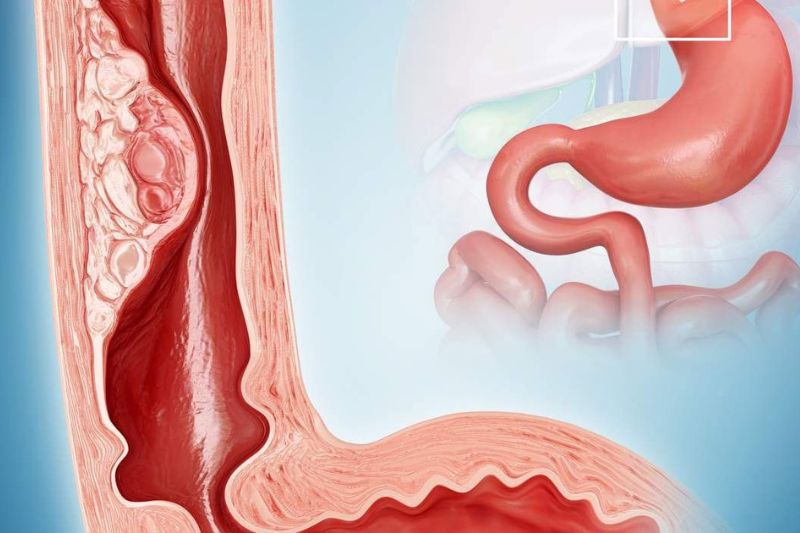
A stricture is a condition where a passage inside the body becomes narrower than normal due to scarring, inflammation, injury, or disease. When this narrowing occurs, it restricts normal movement through the digestive tract.
Common Sites of Strictures
- Esophagus (food pipe)
- Bile ducts
- Small intestine
- Colon
- Rectum
Strictures develop due to several underlying conditions that cause inflammation or scarring.
Common Causes
Chronic Inflammation
Long-term inflammation damages tissue and leads to scarring.
Acid Reflux Disease
Repeated acid exposure can narrow the esophagus.
Infections
Certain infections may cause tissue damage and narrowing.
Surgery or Injury
Scar formation after surgery or trauma can create strictures.
Gallstones
Blocked bile ducts due to stones may lead to narrowing.
Crohn’s Disease
Chronic intestinal inflammation can cause bowel strictures.
Cancer or Tumors
Abnormal growths may compress or narrow passages.
Symptoms depend on the location of the stricture and severity of narrowing.
Esophageal Stricture Symptoms
- Difficulty swallowing food
- Pain while swallowing
- Food getting stuck in chest
- Chest discomfort
- Regurgitation of food
Intestinal Stricture Symptoms
- Abdominal pain
- Bloating
- Constipation
- Nausea and vomiting
- Intestinal blockage
Bile Duct Stricture Symptoms
- Jaundice
- Dark urine
- Pale stool
- Abdominal pain
- Fever and chills
Doctors recommend dilation when narrowing causes symptoms or blockage.
Patients Who May Need This Procedure
- Individuals with swallowing difficulty
- Patients with bile duct blockage
- People with chronic intestinal strictures
- Patients with Crohn’s disease
- Individuals with post-surgical scar narrowing
- Patients with recurrent abdominal pain or obstruction
Stricture Dilation offers several important medical benefits.
Restores Normal Flow
The procedure helps food, bile, and fluids move smoothly through the body.
Minimally Invasive
No major surgery or large incisions are required.
Quick Relief
Patients often experience immediate symptom improvement.
Safe and Effective
The procedure has a high success rate with low risk.
Improves Quality of Life
Reduces pain, discomfort, and digestive blockage symptoms.
Repeatable Procedure
Dilation can be repeated if narrowing returns.
Doctors choose the method based on location and severity.
Balloon Dilation
A small balloon is inserted and inflated to widen the narrowed area.
Bougie Dilation
Special tubes of increasing size are used to stretch the stricture gradually.
Endoscopic Dilation
Performed using an endoscope for precise visualization.
The procedure is usually done under sedation for patient comfort.
Step-by-Step Process
- The patient receives mild sedation.
- A thin endoscope is inserted into the affected area.
- The stricture is located and examined carefully.
- A balloon or dilator is inserted into the narrowed area.
- The device is gently expanded to widen the passage.
- The instrument is removed after successful dilation.
The procedure usually takes 20 to 60 minutes depending on severity.
Proper preparation ensures safety and effectiveness.
Fasting
Patients are usually asked not to eat or drink for several hours.
Medication Review
Doctors may adjust blood-thinning or diabetes medications.
Medical History
Patients should inform doctors about allergies and previous procedures.
Recovery is usually quick and uncomplicated.
After the Procedure
- Mild throat or abdominal discomfort may occur
- Patients are monitored for a short time
- Most patients go home the same day
- Soft diet may be recommended initially
Diet Recommendations
- Soft and easy-to-swallow foods
- Avoid spicy and hard foods initially
- Drink plenty of water
Stricture Dilation
- Minimally invasive
- Quick recovery
- No large cuts
- Outpatient procedure
- Lower risk
Surgery
- Invasive procedure
- Longer recovery
- Higher cost and risk
- Required in severe cases only
Most patients benefit from dilation before considering surgery.
Healthy habits help reduce the risk of developing strictures.
Manage Acid Reflux
Treat GERD early to prevent esophageal damage.
Healthy Diet
Avoid excessive spicy, oily, and acidic foods.
Treat Infections Early
Proper medical treatment prevents complications.
Avoid Smoking and Alcohol
Both increase inflammation and tissue damage.
Regular Medical Checkups
Early detection helps prevent narrowing progression.