
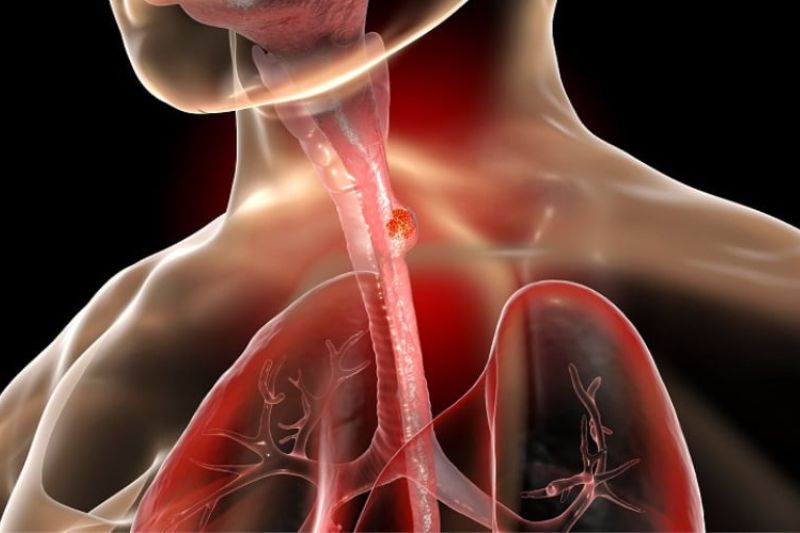
The esophagus is a muscular tube that carries food and liquids from the mouth to the stomach. When this tube becomes narrowed or blocked, swallowing becomes difficult and painful.
Conditions affecting the esophagus may reduce nutrition intake and lead to weight loss, weakness, and dehydration.
Patients may need evaluation for stenting if they experience:
Common Symptoms
- Difficulty swallowing food or liquids
- Food getting stuck in throat or chest
- Pain while swallowing
- Unintentional weight loss
- Regurgitation of food
- Chest discomfort
- Persistent vomiting
Doctors may recommend this procedure for:
- Patients with esophageal cancer
- Individuals with severe esophageal strictures
- Patients unable to eat normally
- People with recurrent food blockage
- Individuals with advanced swallowing disorders
- Patients not suitable for surgery
Esophageal Stenting provides several important benefits for patients with swallowing problems.
Restores Swallowing Ability
Patients can eat and drink more comfortably.
Minimally Invasive
No major surgery or large incisions are required.
Quick Relief
Improves swallowing almost immediately in many cases.
Improves Nutrition
Helps prevent weight loss and malnutrition.
Palliative Care Support
Improves quality of life in advanced cancer cases.
Short Hospital Stay
Most patients recover quickly after the procedure.
Doctors choose the stent based on the patient’s condition.
Self-Expanding Metal Stents (SEMS)
These are commonly used and expand automatically after placement.
Plastic Stents
Used in certain benign conditions.
Covered Stents
Help prevent tumor growth inside the stent.
Uncovered Stents
Allow tissue integration and stability.
The procedure is usually done using endoscopy and sedation.
Step-by-Step Procedure
- The patient is given sedation for comfort.
- An endoscope is inserted through the mouth into the esophagus.
- The narrowed area is identified.
- A guidewire is placed across the blockage.
- The stent is carefully positioned and released.
- The stent expands to open the esophagus.
The procedure usually takes 30 to 60 minutes.
Proper preparation improves safety and success.
Fasting
Patients are asked not to eat or drink for several hours before the procedure.
Medication Review
Doctors may adjust blood-thinning or other medications.
Medical Tests
Imaging or endoscopy may be done before the procedure.
Inform Doctor
Patients should report allergies, heart conditions, or previous surgeries.
Recovery is usually quick and smooth.
After the Procedure
- Patients are monitored for a short time
- Mild discomfort may occur initially
- Most patients resume soft diet soon
- Doctors explain care instructions
Diet After Stenting
- Soft foods initially
- Small, frequent meals
- Avoid hard, sticky foods
- Drink plenty of fluids
Healthy lifestyle habits can reduce esophageal disease risk.
Manage Acid Reflux
Treat GERD early to prevent damage.
Avoid Smoking and Alcohol
Both increase cancer and inflammation risk.
Healthy Diet
Eat soft, nutritious, and non-irritating foods.
Regular Checkups
Early diagnosis prevents severe complications.
Maintain Healthy Weight
Reduces pressure and reflux symptoms.