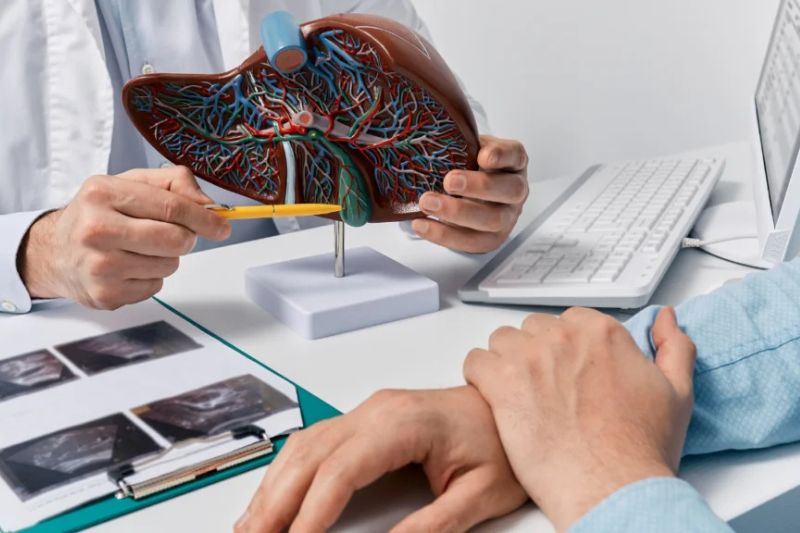
A comprehensive liver clinic is a specialized healthcare center that focuses entirely on liver diseases and digestive system disorders. It combines advanced diagnostic tools, expert consultation, and preventive healthcare strategies.
Such clinics are designed to manage both early-stage liver conditions and advanced liver diseases efficiently.
Services Offered
- Liver disease diagnosis and treatment
- Fatty liver management
- Hepatitis screening and care
- Alcohol-related liver disease treatment
- Liver fibrosis and cirrhosis management
- Preventive liver health checkups
- Advanced liver imaging and tests
- Nutritional and lifestyle counseling
The liver performs over 500 essential functions in the body. Even minor damage can affect digestion, energy levels, immunity, and metabolism.
Common liver functions include:
- Detoxifying harmful substances
- Producing bile for digestion
- Storing vitamins and minerals
- Regulating blood sugar levels
- Processing fats and proteins
Because liver disease often develops silently, preventive care is extremely important.
A comprehensive liver clinic manages a wide range of liver conditions.
Fatty Liver Disease
Fatty Liver Disease occurs when excess fat builds up in liver cells. It is commonly linked to obesity, diabetes, and unhealthy lifestyle habits.
Hepatitis
Hepatitis is liver inflammation caused by viral infections, alcohol, medications, or autoimmune conditions. It can be acute or chronic.
Liver Fibrosis
Early scarring of liver tissue due to long-term damage.
Liver Cirrhosis
Advanced liver scarring that affects liver function permanently.
Alcoholic Liver Disease
Caused by long-term alcohol consumption leading to liver inflammation and damage.
Non-Alcoholic Fatty Liver Disease (NAFLD)
Fat accumulation in the liver without alcohol use.
Liver Cancer
Late-stage complication of chronic liver disease.
Liver disease symptoms may appear slowly and are often ignored in early stages.
Common Symptoms
- Persistent fatigue
- Loss of appetite
- Abdominal pain or swelling
- Jaundice (yellow skin and eyes)
- Dark urine
- Pale stool
- Nausea and vomiting
- Unexplained weight loss
- Itchy skin
- Weakness and low energy
If these symptoms persist, immediate medical evaluation is necessary.
A comprehensive liver clinic uses advanced technology for accurate diagnosis.
Blood Tests
Liver function tests (LFTs) help evaluate liver enzymes and overall health.
Ultrasound Abdomen
Helps detect fatty liver, swelling, or structural changes.
FibroScan
A non-invasive test that measures liver stiffness and fat content to detect fibrosis and fatty liver disease.
CT Scan / MRI
Used for detailed imaging of liver structure and tumors.
Liver Biopsy
In some cases, a small tissue sample is analyzed for precise diagnosis.
Preventive care is the most important part of liver health management. It helps detect disease early and prevent progression.
Healthy Diet
Eat fresh fruits and vegetables
Include whole grains and fiber
Reduce oily and processed foods
Avoid excess sugar
Regular Exercise
Physical activity helps reduce fat accumulation in the liver.
Avoid Alcohol
Alcohol is one of the leading causes of liver damage.
Maintain Healthy Weight
Weight control reduces fatty liver risk.
Hydration
Drinking enough water supports detoxification.
Safe Medication Use
Avoid unnecessary painkillers or self-medication.
Treatment depends on the severity and type of liver disease.
Lifestyle Management
Diet changes, exercise, and weight control form the foundation of treatment.
Medications
Antiviral drugs for hepatitis
Liver-protective medications
Cholesterol and diabetes control medicines
Advanced Procedures
ERCP for bile duct problems
Stenting for blocked ducts
Stricture dilation if needed
Regular Monitoring
Frequent follow-ups help track liver recovery and prevent complications.
Early detection is key to preventing severe liver damage.
Benefits
- Stops disease progression early
- Reduces risk of cirrhosis
- Improves treatment outcomes
- Prevents liver failure
- Enhances quality of life
Many liver diseases can be reversed in early stages with proper care.
Eat Balanced Meals
Include protein, fiber, and healthy fats in your diet.
Exercise Daily
At least 30 minutes of physical activity improves liver health.
Avoid Junk Food
Processed food increases fat accumulation in the liver.
Quit Smoking
Smoking increases liver disease and cancer risk.
Regular Health Checkups
Routine screening helps detect hidden liver issues.
A specialized liver clinic provides complete and coordinated care.
Key Benefits
- Early diagnosis and prevention
- Expert liver specialists
- Advanced diagnostic technology
- Personalized treatment plans
- Long-term disease management
- Improved patient outcomes
- Reduced risk of complications