
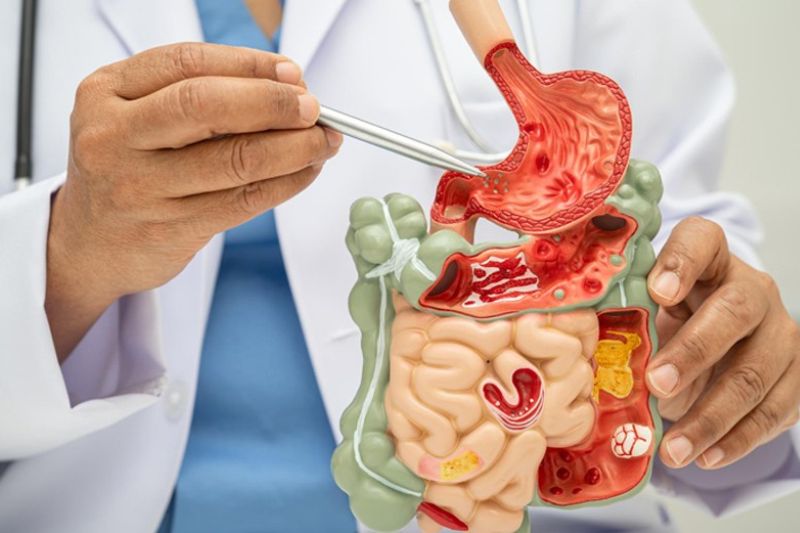
ERCP helps examine important digestive organs and ducts.
Bile Ducts
These ducts carry bile from the liver to the intestine for digestion.
Gallbladder
The gallbladder stores bile and supports fat digestion.
Pancreatic Ducts
These ducts transport digestive enzymes from the pancreas.
Liver
Doctors evaluate bile flow and liver-related duct disorders.
Digestive duct disorders can lead to pain, infection, jaundice, and severe complications if untreated. ERCP helps diagnose these conditions early and provides immediate treatment without open surgery.
Benefits of ERCP include:
- Early disease detection
- Minimally invasive treatment
- Faster recovery
- Reduced surgical risk
- Immediate removal of blockages
- Accurate diagnosis of bile and pancreatic disorders
ERCP is commonly used to diagnose and treat several digestive disorders.
Gallstones in Bile Duct
Stones may block bile flow and cause severe pain or infection.
Jaundice
Blocked bile ducts can cause yellowing of the skin and eyes.
Bile Duct Strictures
Narrowed bile ducts may affect normal digestion and liver function.
Pancreatitis
Inflammation of the pancreas may occur due to blocked ducts.
Pancreatic Disorders
ERCP helps evaluate pancreatic duct abnormalities and tumors.
Bile Duct Infection
Infections inside the bile ducts require immediate treatment.
Tumors and Cancer
Doctors may detect tumors affecting the pancreas or bile ducts.
Several digestive symptoms may indicate bile duct or pancreatic disorders.
Common Symptoms
Severe Abdominal Pain
Pain in the upper abdomen may indicate blocked bile ducts or pancreatic disease.
Jaundice
Yellowing of skin and eyes commonly occurs due to bile blockage.
Fever and Chills
Infections in the bile ducts may cause fever and weakness.
Nausea and Vomiting
Digestive blockage often leads to nausea and vomiting.
Dark Urine
Dark urine may indicate abnormal bile flow.
Pale Stool
Light-colored stool may occur because bile cannot reach the intestines.
Unexplained Weight Loss
Pancreatic or bile duct disorders may affect digestion and nutrition.
Doctors may recommend ERCP for patients experiencing digestive duct problems.
Individuals Who May Need ERCP
- Patients with bile duct stones
- Individuals with jaundice
- Patients with recurrent pancreatitis
- People with abnormal liver tests
- Individuals with bile duct narrowing
- Patients with pancreatic duct disorders
- People with unexplained abdominal pain
- Individuals with suspected bile duct tumors
ERCP offers several advantages for patients with digestive disorders.
Minimally Invasive Procedure
Doctors treat conditions without major surgery.
Diagnosis and Treatment Together
ERCP allows specialists to identify and treat problems in one procedure.
Faster Recovery
Most patients recover quickly compared to open surgery.
Stone Removal
Doctors can remove bile duct stones during the procedure.
Stent Placement
Special stents help open blocked bile or pancreatic ducts.
Tissue Sampling
Doctors may collect biopsy samples to check for cancer or infection.
The ERCP procedure is usually performed under sedation.
Step-by-Step Procedure
- The patient receives sedation for comfort.
- The doctor inserts the endoscope through the mouth.
- The scope passes through the stomach into the small intestine.
- A special dye is injected into the bile and pancreatic ducts.
- X-ray imaging helps identify blockages or abnormalities.
- Doctors may remove stones, place stents, or collect tissue samples.
The procedure generally takes 30 to 90 minutes depending on the condition.
Recovery is generally quick and smooth for most patients.
After the Procedure
- Patients rest until sedation effects decrease
- Mild bloating or throat discomfort may occur
- Doctors explain findings and treatment results
- Most patients return home the same day
Diet After ERCP
Doctors may recommend light meals and proper hydration initially.
ERCP
- Minimally invasive
- Faster recovery
- Smaller risk of complications
- No large surgical cuts
- Short hospital stay
Traditional Surgery
- More invasive procedure
- Longer recovery period
- Higher discomfort
- Larger incisions required
ERCP often reduces the need for open surgery in many patients.