
Are you experiencing frequent stomach pain, bloating, gas, or irregular bowel habits? You may be suffering from Irritable Bowel Syndrome (IBS). Fortunately, with the right diagnosis and treatment, you can manage your symptoms and improve your quality of life.
Dr. Parag Deshmukh offers comprehensive IBS treatment in Nanded. He focuses on identifying the root cause of your digestive problems. Moreover, he creates a personalized treatment plan based on your symptoms and lifestyle.
IBS Treatment in Nanded, Irritable Bowel Syndrome Doctor in Nanded, Best Gastroenterologist for IBS in Nanded, IBS Specialist in Nanded, Stomach Pain Treatment Nanded, Bloating Treatment Nanded, Constipation and Diarrhea Treatment Nanded, Dr. Parag Deshmukh Gastro Clinic.
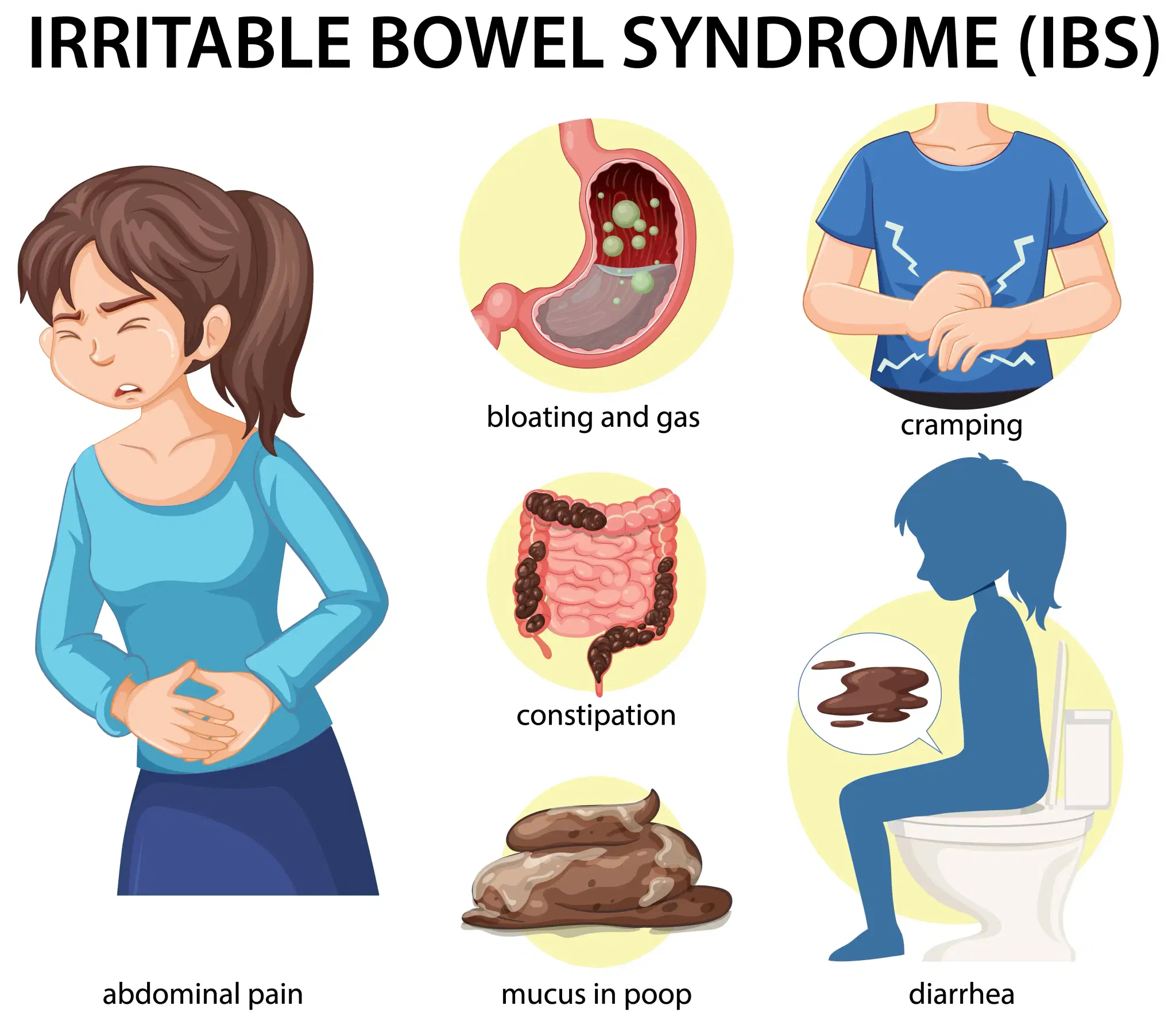
What is Irritable Bowel Syndrome (IBS)?
IBS is a common digestive disorder that affects the large intestine. It can cause abdominal discomfort and changes in bowel movements. Although IBS is a long-term condition, proper care helps control symptoms effectively.
Common types of IBS include:
- IBS with constipation (IBS-C)
- IBS with diarrhea (IBS-D)
- Mixed IBS (IBS-M)
Therefore, early consultation with a gastroenterologist is important.
Common Symptoms of IBS
You should seek medical advice if you experience any of the following symptoms:
Frequent abdominal pain or cramps
Bloating and excessive gas
Constipation or diarrhea
Alternating bowel habits
A feeling of incomplete bowel evacuation
Mucus in the stool
Stomach discomfort after meals
Moreover, these symptoms may come and go over time. In many cases, stress and certain foods can trigger or worsen IBS symptoms. Therefore, early evaluation by a gastroenterologist is important for proper diagnosis and effective treatment.
Causes and Risk Factors
The exact cause of IBS remains unclear. However, researchers believe that several factors may contribute to its development. In fact, the condition often results from a combination of physical and psychological triggers rather than a single cause.
These factors may include:
Abnormal intestinal muscle contractions
Problems with gut-brain communication
Food intolerance or sensitivity
Stress and anxiety
Previous intestinal infections
Changes in the balance of gut bacteria
Moreover, IBS triggers can vary from one person to another. For example, certain foods or stressful situations may worsen symptoms in some individuals. Therefore, identifying personal triggers is an important part of treatment. As a result, each patient may require a customized approach that includes dietary changes, lifestyle modifications, and appropriate medications.
Dr. Parag Deshmukh performs a detailed clinical evaluation before starting treatment. First, he carefully reviews your medical history and discusses your symptoms in detail. Then, if necessary, he recommends appropriate investigations to confirm the diagnosis and rule out other digestive disorders.
Diagnostic methods may include:
Physical examination
Blood tests
Stool analysis
Ultrasound abdomen
Colonoscopy, when indicated
Moreover, these tests help identify the underlying cause of your symptoms. In addition, they allow your doctor to differentiate IBS from other gastrointestinal conditions. Therefore, a thorough evaluation is essential for accurate diagnosis and effective treatment planning. As a result, you receive a personalized treatment approach that best suits your condition.
IBS Treatment in Nanded by Dr. Parag Deshmukh
The treatment plan depends on the type and severity of IBS. Dr. Parag Deshmukh provides personalized care to achieve long-term symptom control.
Treatment options include:
Dietary Modification
A balanced diet helps reduce bloating and bowel irregularity. Patients also receive guidance on trigger foods.
Lifestyle Changes
Regular exercise, adequate sleep, and stress management improve digestive health.
Medications
Medicines may be prescribed to control constipation, diarrhea, abdominal pain, or bloating.
Stress Management
Since emotional stress can aggravate IBS, relaxation techniques and counseling may also help.
Therefore, a combination of treatments often provides the best results.
Why Choose Dr. Parag Deshmukh for IBS Treatment?
Ibs Treatment In Nanded
The exact cause of IBS remains unclear. However, experts believe that several factors may contribute to its development. In fact, the condition often results from a combination of physical and psychological triggers rather than a single cause. Additionally, these factors may interact with one another and affect the normal functioning of the digestive system.
These factors may include:
Abnormal intestinal muscle contractions
Problems with gut-brain communication
Food intolerance or sensitivity
Stress and anxiety
Previous intestinal infections
Changes in the balance of gut bacteria
Furthermore, IBS triggers can vary from one person to another. For example, certain foods, emotional stress, or lifestyle habits may worsen symptoms in some individuals. Similarly, changes in routine or sleep patterns can also affect digestive health. Therefore, identifying personal triggers is an important part of successful treatment. In addition, maintaining a healthy diet and reducing stress may help control symptoms. Consequently, each patient may require a personalized treatment plan that includes dietary changes, lifestyle modifications, and appropriate medications for long-term relief.
When Should You Visit a Gastroenterologist?
Ibs Treatment In Nanded
Consult Dr. Parag Deshmukh if you experience any of the following symptoms:
- Persistent abdominal pain
- Chronic constipation or diarrhea
- Unexplained bloating
- Frequent gas problems
- Blood in the stool
- Sudden or unexplained weight loss
- A family history of bowel disease
Moreover, these symptoms should not be ignored, especially if they continue for several weeks. In some cases, they may indicate an underlying digestive disorder that requires medical attention. Therefore, an early consultation with a gastroenterologist is highly recommended. In addition, timely diagnosis helps identify the exact cause of your symptoms and allows treatment to begin sooner. As a result, early intervention can help prevent complications, improve treatment outcomes, and enhance your overall digestive health.
Frequently Asked Questions
1. What is Irritable Bowel Syndrome (IBS)?
2. Who is the best doctor for IBS treatment in Nanded?
3. What are the common symptoms of IBS?
4. How is IBS diagnosed?
Book an Appointment
If you suffer from acidity, stomach pain, liver disease, constipation, diarrhea, bloating, or digestive discomfort, timely medical care can make a significant difference. Consult Dr Parag Deshmukh The clinic provides advanced diagnostics, endoscopy services, FibroScan evaluation, and personalized treatment plans designed to improve long-term digestive health.