
Acidity is one of the most common digestive problems affecting people of all ages. Although occasional acidity may not be serious, frequent episodes can significantly impact daily life. Therefore, timely diagnosis and proper treatment are essential.
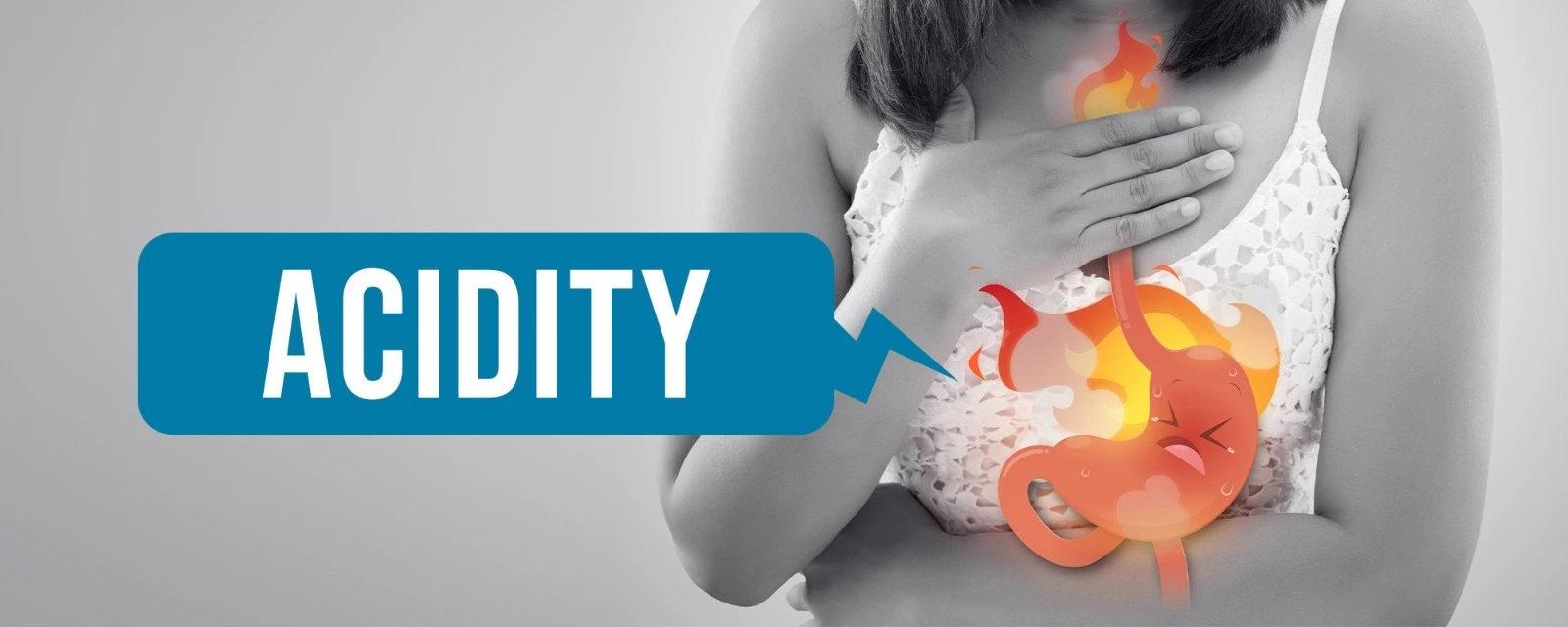
What is Acidity?
Symptoms of Acidity
Although symptoms may vary from person to person, common signs of acidity include:
• Heartburn
A burning sensation in the chest often develops after meals. Additionally, it may become worse while lying down or bending forward.
• Acid Reflux
Stomach acid may flow back into the food pipe. As a result, patients often experience a sour or bitter taste in the mouth.
• Bloating
Many individuals feel fullness in the stomach. Furthermore, abdominal discomfort may occur even after eating small meals.
• Indigestion
Patients may find it difficult to digest food properly. Consequently, they often feel heaviness and discomfort after meals.
• Nausea
Persistent acidity can trigger a feeling of nausea. In some cases, it may also reduce appetite
Causes of Acidity
Several factors can contribute to acidity. Therefore, identifying the underlying cause is important for effective treatment.
• Unhealthy Eating Habits
Eating spicy, oily, fried, or processed foods can increase stomach acid production. Consequently, acidity symptoms may occur more frequently.
• Overeating
Consuming large meals puts extra pressure on the stomach. As a result, acid reflux becomes more likely, especially after eating.
• Stress
Stress can affect normal digestive function. Furthermore, it may increase stomach discomfort and trigger recurring acidity episodes.
• Smoking and Alcohol
Both smoking and alcohol can weaken the lower esophageal sphincter. Therefore, stomach acid may easily flow back into the food pipe.
• Obesity
Excess body weight increases pressure on the abdomen. Consequently, acid reflux symptoms often become more severe and persistent.
• Certain Medications
Some medicines may irritate the stomach lining or increase acid production. As a result, acidity may develop as a side effect.
Effective treatment depends on the severity and underlying cause of the condition. Therefore, a detailed assessment is performed before creating a personalized treatment plan.
• Lifestyle Modifications
Patients are encouraged to adopt healthier eating habits and maintain a balanced lifestyle. Furthermore, avoiding trigger foods can significantly reduce acidity symptoms.
• Dietary Counseling
A customized diet plan helps improve digestion and supports overall digestive health. As a result, stomach acid production remains under better control.
• Medications
Doctors may prescribe antacids, H2 blockers, or proton pump inhibitors based on the patient’s condition. Consequently, acid levels decrease and symptoms improve effectively.
• Stress Management
Stress can worsen digestive problems. Therefore, relaxation techniques, regular exercise, and adequate sleep are often recommended.
• Weight Management
Maintaining a healthy body weight can reduce pressure on the stomach. As a result, acid reflux episodes may become less frequent.
Benefits of Acidity Treatment
Timely treatment offers several advantages.
- Provides relief from heartburn and acid reflux.
- Improves digestion and appetite.
- Reduces bloating and abdominal discomfort.
- Prevents complications such as GERD and ulcers.
- Enhances overall quality of life.
- Promotes better sleep and daily comfort.
- Supports long-term digestive health.
Recovery After Acidity Treatment
Acidity Treatment In Pusad
Cost of Acidity Treatment in Pusad
Acidity Treatment In Pusad
The cost of acidity treatment varies according to the patient’s condition, required investigations, and treatment plan.
Generally, expenses may depend on:
- Consultation charges
- Diagnostic tests
- Endoscopy, if required
- Prescribed medications
- Follow-up visits
Therefore, a detailed cost estimate is provided after clinical evaluation.
Frequently Asked Questions
How do I know if my acidity is serious?
Can acidity be cured permanently?
Which foods should I avoid during acidity?
Is endoscopy necessary for acidity?
Book an Appointment
If you suffer from acidity, stomach pain, liver disease, constipation, diarrhea, bloating, or digestive discomfort, timely medical care can make a significant difference. Consult Dr Parag Deshmukh The clinic provides advanced diagnostics, endoscopy services, FibroScan evaluation, and personalized treatment plans designed to improve long-term digestive health.